Combat mastery in bleach soul resonance separates good players from great ones. Understanding turn-based mechanics, skill interactions, positioning, and target priority transforms your performance in both PvE story missions and competitive PvP Arena. This bleach soul resonance combat guide covers everything from basic mechanics to advanced techniques that top players use to dominate.
Combat Interface Overview
Mastering these battle interfaces is essential for effective combat:
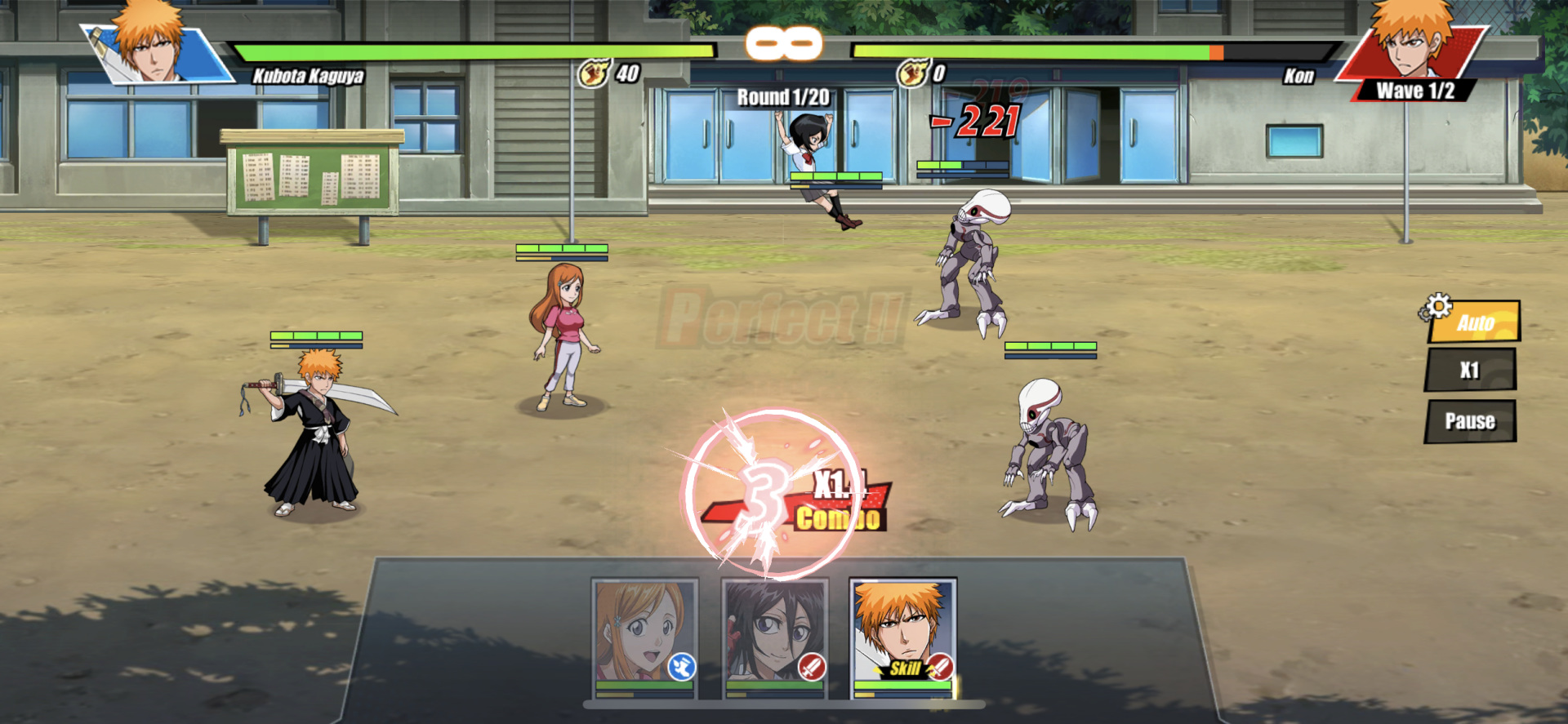
Battle HUD
Health bars, energy, and cooldown tracking
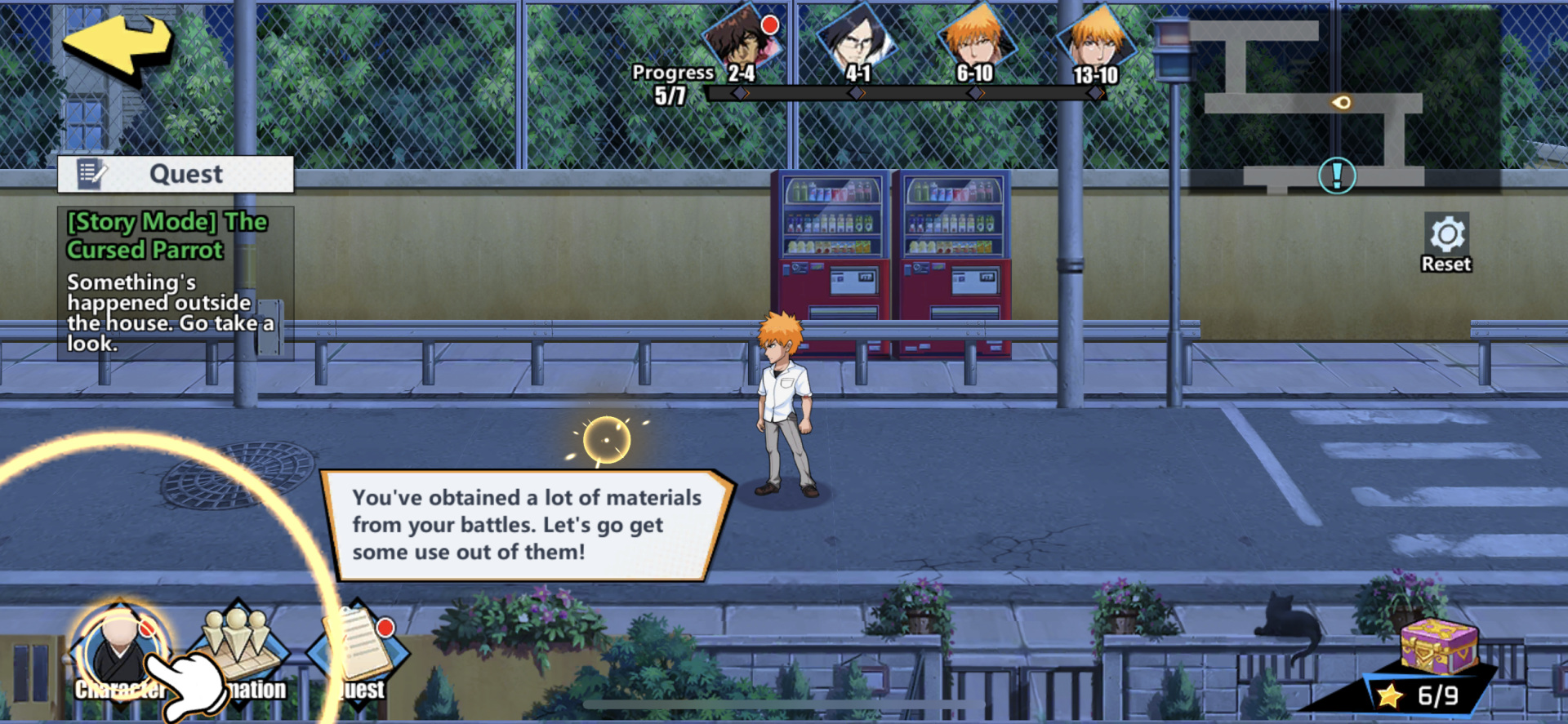
Tactical Minimap
Position awareness and targeting
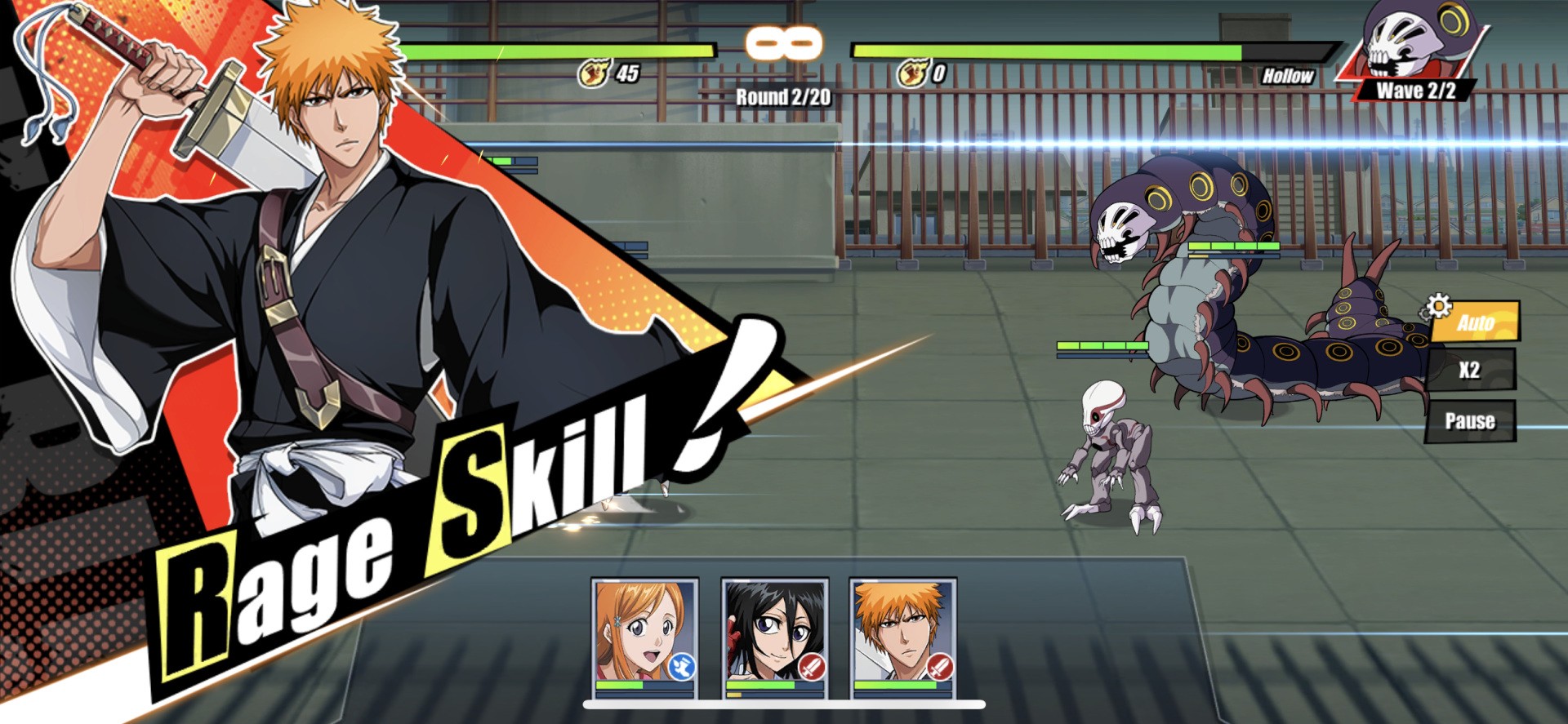
Skill Alerts
Ability ready notifications
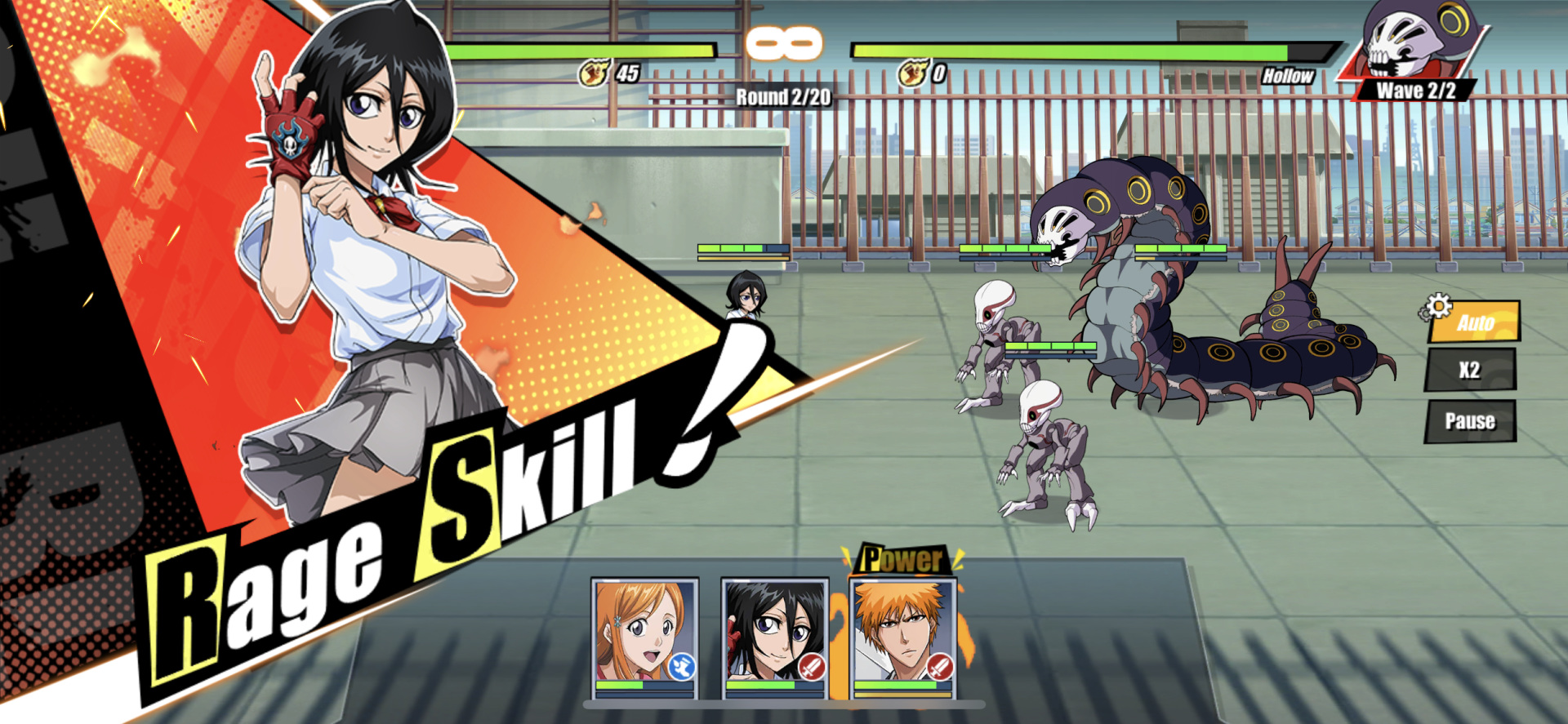
Active Skills
Skill execution and effects
Stage Preview
Enemy composition and objectives
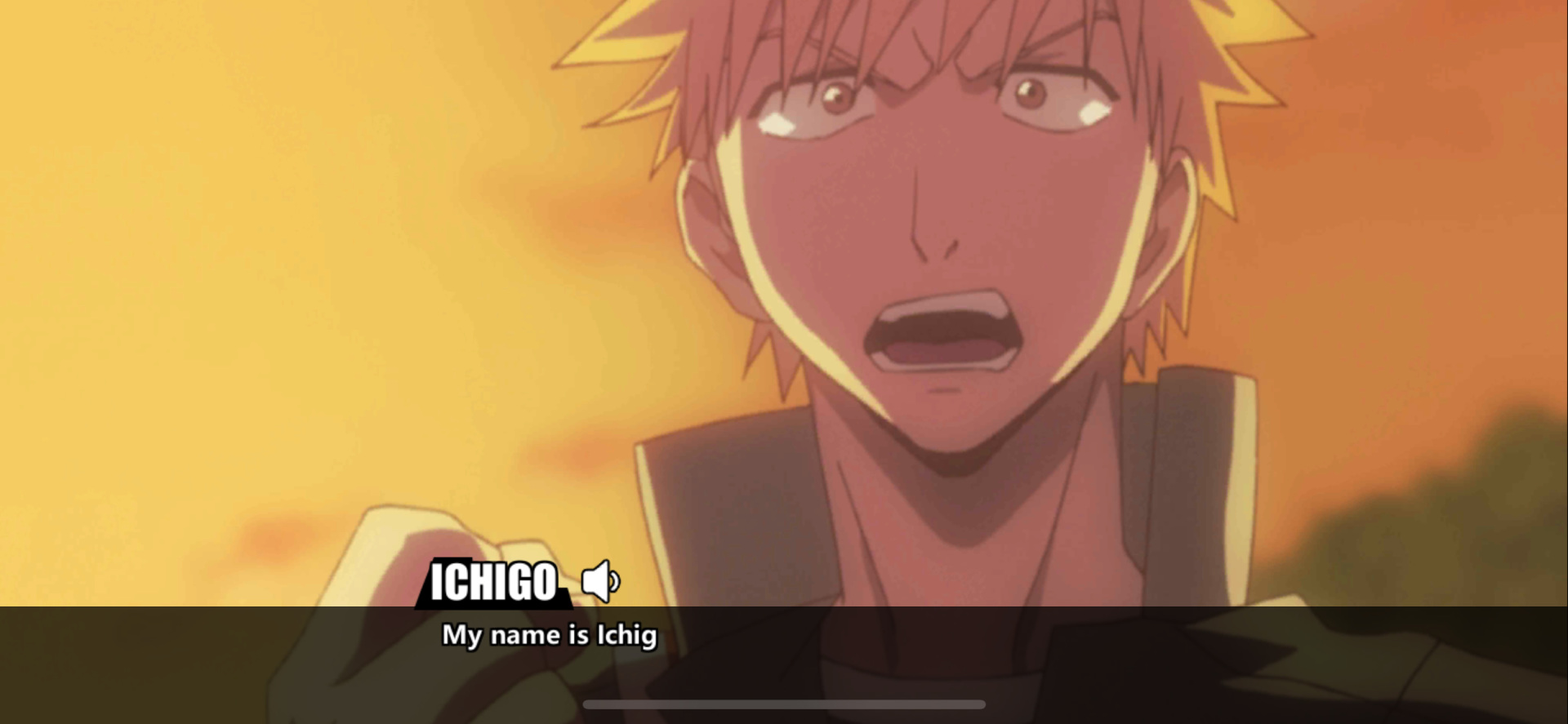
Story Scenes
Narrative and character interactions
Understanding Bleach Soul Resonance Combat Mechanics
Turn-Based Speed System
Bleach soul resonance combat revolves around the Speed stat. Characters with higher Speed act more frequently, creating turn advantage. Every 100 Speed difference translates to approximately one extra turn every three rounds. In bleach soul resonance, support characters need 120+ Speed to apply buffs before enemies act, while DPS characters function effectively with 100-110 Speed as they focus on raw damage output over turn frequency.
Skill Types and Energy Management
Bleach soul resonance features three skill categories: Normal Attacks (no cooldown, builds energy), Active Skills (8-15 second cooldowns, primary damage), and Ultimate Skills (20-30 second cooldowns, requires energy). Energy management is crucial - use normal attacks during enemy invincibility frames to build energy without wasting skill cooldowns. In bleach soul resonance battles lasting over 60 seconds, efficient energy management enables 2-3 ultimate uses versus just one.
Damage Calculation Basics
Damage in bleach soul resonance scales from Attack stat, modified by Crit Rate and Crit Damage, reduced by enemy Defense. Element matchups provide 30% bonus or penalty. Skill multipliers range from 200% (basic skills) to 800%+ (ultimates). The bleach soul resonance damage formula heavily rewards building Crit Rate to 60-70% before investing in Crit Damage for consistent DPS output.
Damage Calculation & Optimization in Bleach Soul Resonance
Complete Damage Formula Breakdown
The full bleach soul resonance damage formula is:
Final Damage = (Attack × Skill Multiplier) × (1 + Crit Damage%) × Element Modifier × Defense Reduction × (1 + Buff Bonuses) × (1 - Debuff Reductions)
Understanding each component helps you optimize damage in bleach soul resonance:
- Attack Stat: Linear scaling - 100 Attack increase = 100 more base damage
- Skill Multiplier: Fixed per skill (200-800%), upgrade skills for higher multipliers
- Crit Damage: Multiplicative when crit occurs - 150% Crit Damage = 2.5x total damage
- Element Modifier: 1.3x advantage, 0.7x disadvantage, 1.0x neutral
- Defense Reduction: Enemy Defense reduces damage by Defense/(Defense + 1000) formula
- Buff/Debuff Stack: Additive bonuses from team composition synergies
Stat Priority for Maximum DPS
The optimal stat investment path for DPS characters in bleach soul resonance:
- Phase 1 (Early Game): Attack to 2,000+ → Increases base damage significantly
- Phase 2 (Mid Game): Crit Rate to 60-70% → Ensures consistent crits
- Phase 3 (Late Game): Crit Damage to 150-200% → Multiplies existing crit damage
- Phase 4 (Endgame): Speed to 110-120 → More turns = more total damage output
In bleach soul resonance, investing in Crit Damage before reaching 60% Crit Rate is inefficient because inconsistent crits waste the Crit Damage stat. A character with 40% Crit Rate and 200% Crit Damage deals less average damage than 70% Crit Rate with 120% Crit Damage.
Break Points and Diminishing Returns
Certain stat thresholds in bleach soul resonance provide optimal value:
- Crit Rate 60%: Sweet spot before diminishing returns kick in
- Crit Damage 150%: Optimal balance point with 60% Crit Rate
- Speed 120: Maximum practical Speed before opportunity cost exceeds benefit
- Attack 3,000: High enough that investing in crit/speed becomes more valuable
Beyond these thresholds in bleach soul resonance, investing in the next stat category provides better DPS increases than continuing to stack the current stat.
Element System & Reaction Mechanics
Element Wheel in Bleach Soul Resonance
Bleach soul resonance features a five-element system with advantage relationships:
🔥 Fire beats Ice
30% damage bonus
❄️ Ice beats Wind
30% damage bonus
💨 Wind beats Lightning
30% damage bonus
⚡ Lightning beats Water
30% damage bonus
💧 Water beats Fire
30% damage bonus
☀️ Light ⚔️ Dark
Counter each other mutually (30% both ways)
Element Reaction Combos
Combining certain elements in bleach soul resonance triggers reaction effects:
- Shatter (Ice → Physical): Frozen enemies take 50% bonus damage from next physical attack in bleach soul resonance
- Overload (Lightning + Water): Chain lightning to 2 additional targets for 70% damage each
- Vaporize (Fire + Water): 80% additional damage in single massive hit
- Melt (Fire + Ice): Removes freeze but deals 100% of original ice damage again
Team compositions in bleach soul resonance that trigger element reactions deal 20-40% more total damage than single-element teams. Build teams with 2-3 different elements to maximize reaction opportunities.
Element Resistance and Immunity
Some enemies in bleach soul resonance have element resistance (50% reduced damage) or immunity (100% damage negation). Always check enemy info before battle. Bringing disadvantaged element characters to bleach soul resonance boss fights can reduce your effective DPS by 30-50%, making encounters significantly harder or impossible.
Combat Phase Strategy
| Phase | PvE Strategy | PvP Strategy | Boss Strategy |
|---|---|---|---|
| Opening Phase (0-15s) | Apply buffs/debuffs with support | Save ultimates, build energy | Immediate ultimate burst |
| Mid-Fight (15-45s) | Rotate skills on cooldown | Chain ultimates for maximum burst | Sustain and chip damage |
| Finishing Phase (45s+) | Clean up low HP targets | Final ultimate burst combo | Outlast with healing/tanking |
| Ideal Team Comp | DPS + Support + Tank/Flex | 2 DPS + Support/Healer | Tank + Healer + DPS |
Different content types in bleach soul resonance require different phase approaches. PvE favors methodical progression with skill rotation. PvP demands burst damage to eliminate threats quickly. Boss fights in bleach soul resonance require sustained damage with survivability to endure long encounters. Adjust your strategy based on content type for optimal results.
Enemy Type Counter Strategies
| Enemy Type | Swarm (5+ enemies) | Elite (1-2 strong) | Boss (Single target) |
|---|---|---|---|
| Counter Strategy | Fire/Ice AoE skills | Single-target burst DPS | Sustain team with healer |
| Recommended Characters | Toshiro, Rukia, Aizen | Ichigo, Byakuya, Kenpachi | Unohana, Orihime + Tank |
| Key Mechanics | Focus fire priority targets | Burst damage within 30 seconds | Outlast damage over time |
| Difficulty Level | Medium (positioning key) | High (DPS check) | Low (time-consuming) |
Bleach soul resonance enemy compositions require specific counter strategies. Swarm fights favor AoE damage to clear multiple targets. Elite enemies need focused burst damage before they overwhelm you. Boss encounters in bleach soul resonance reward sustained teams with healing and tanking to survive long battles. Always analyze enemy composition before engaging.
Positioning and Formation Tactics
Front, Middle, and Back Row
Formation positioning in bleach soul resonance directly impacts survival and damage output. Front row positions absorb enemy attacks but suffer from AoE damage. Tanks with high HP/Defense in bleach soul resonance excel here. Middle row balances safety and damage for DPS characters. Back row provides maximum safety for supports and healers who must survive to enable the team.
Spread vs Grouped Formation
Grouped formation in bleach soul resonance maximizes friendly AoE buff coverage but increases vulnerability to enemy AoE damage. Spread formation reduces AoE damage taken but may leave supports outside buff range. Against AoE-heavy enemies in bleach soul resonance, spread your formation. Against single-target focused enemies, group for buff synergy.
Target Priority in Bleach Soul Resonance
⚔️ PvP Target Priority
- 1
Enemy Supports First
Removing healing and buffs cripples enemy team effectiveness
- 2
Enemy DPS Second
Reduces incoming damage pressure on your team
- 3
Enemy Tanks Last
Highest HP/Defense makes them inefficient to focus unless isolated
🎯 PvE Target Priority
- 1
High Threat Enemies
Characters charging powerful skills or ultimates
- 2
Low HP Targets
Finishing kills quickly reduces incoming damage
- 3
Buff/Debuff Specialists
Prevent enemy supports from enabling their team
Advanced Combat Techniques
Skill Chaining and Combos
Certain skill sequences in bleach soul resonance create powerful combos. Freeze → Shatter abilities deal bonus damage to frozen targets. Debuff skills that reduce defense amplify following damage. The optimal combo in bleach soul resonance is: Apply debuff → Stack damage amplification → Chain multiple ultimates. Coordinating skill timing requires manual control for maximum effectiveness.
Invincibility Frame Timing
Many ultimates in bleach soul resonance grant brief invincibility during animation. Advanced players time these i-frames to dodge enemy ultimates while dealing damage. In bleach soul resonance PvP, baiting enemy skills then countering with invincible ultimates wins close matches. Practice identifying which character animations provide i-frames for defensive utility.
Energy Management Mastery
Top bleach soul resonance players maximize ultimate usage through energy management. Use normal attacks during enemy invincibility to build energy without wasting skills. Characters with energy generation passives enable more frequent ultimates. In bleach soul resonance, teams that use ultimates 2-3 times versus opponents using once gain massive advantage.
Boss Fight Mechanics & Strategy
Break Gauge System
Boss enemies in bleach soul resonance feature a Break Gauge (shield icon). Dealing damage fills the gauge, and when full, the boss enters "Broken" state for 10-15 seconds. During Broken phase in bleach soul resonance:
- Boss takes 50% increased damage from all sources
- Boss cannot act or use skills (effectively stunned)
- Ideal time to unleash all saved ultimates for maximum burst
- After Broken phase ends, Break Gauge resets with increased threshold (+20% each time)
Optimal bleach soul resonance boss strategy: Build Break Gauge with normal attacks and weak skills, save all ultimates for Broken phase, burst during 10-15 second window. Teams that coordinate burst windows clear bosses 30-40% faster than teams that waste ultimates randomly.
Phase Transitions and Enrage
Most bleach soul resonance bosses have HP-based phase transitions at 70%, 40%, and 10%:
- 70% HP Phase: Boss gains new attack pattern, typically AoE damage spike
- 40% HP Phase: Boss summons adds (priority: kill adds before focusing boss)
- 10% HP Enrage: Boss enters berserk mode with 100% Attack increase and faster skill cooldowns in bleach soul resonance
Enrage phase in bleach soul resonance is a DPS check - if your team can't burst from 10% to 0% within 20-30 seconds, you'll be overwhelmed. This is why saving ultimates and energy for final phase is critical for boss clears.
Telegraphed Attacks and Dodge Windows
Major boss attacks in bleach soul resonance show red ground indicators 2 seconds before execution. During manual control, you can dodge these by:
- Moving characters out of red zones before attack lands
- Using invincibility ultimate animations to tank through damage
- Using crowd control (stun/freeze) to interrupt boss attack animations
On auto-battle, your team will not dodge telegraphed attacks in bleach soul resonance. For difficult boss content, manual control increases survival by 40-60% through dodge optimization.
Skill Upgrade Investment Priority
Skill Level ROI Analysis
Skill upgrades in bleach soul resonance require significant resources. Optimal investment order by impact:
- Ultimate Skills (Priority 1): 800%+ multipliers make ultimate upgrades most impactful. Each level adds 40-60 flat damage increase in bleach soul resonance.
- Primary Active Skill (Priority 2): Your most-used damage skill (usually shortest cooldown). Frequent use = higher total impact per battle.
- Secondary Active Skill (Priority 3): Situational skill upgraded after primary is maxed in bleach soul resonance.
- Normal Attack (Priority 4): Lowest multipliers, lowest impact. Only upgrade when all other skills are maxed.
Skill Breakpoints Worth Investing
Certain skill levels in bleach soul resonance unlock power spikes:
- Level 5: +1 second cooldown reduction on most skills
- Level 10: +25% multiplier increase (major power spike)
- Level 15: Additional effect unlocked (stun/freeze/debuff)
- Level 20 (Max): +50% multiplier increase + effect potency doubled
For F2P players in bleach soul resonance, getting ultimate to Level 10 on main DPS provides better returns than spreading resources to Level 5 across multiple characters. Focus investment for maximum impact.
Auto-Battle vs Manual Control Comparison
When to Use Auto-Battle in Bleach Soul Resonance
- Daily mission farming where you massively out-power content
- Resource stages (XP, gold, materials) that pose zero threat
- Early story chapters 20+ levels below your team power
- Overnight idle farming (if enabled in settings)
When Manual Control is Mandatory
- Boss Fights: Requires Break Gauge optimization and Broken phase burst coordination
- PvP Arena: Auto AI makes poor target priority choices, manual wins 60-70% more in bleach soul resonance
- High-Level Abyss/Tower: Need to dodge telegraphed attacks and time ultimates
- Element Reaction Combos: Auto doesn't optimize element reaction timing
Manual Control Optimization Techniques
Advanced bleach soul resonance players use these manual control techniques:
- Skill Queuing: Tap next skill while animation plays to eliminate input delay
- Target Swapping: Manually select low-HP enemies for efficient kill confirmation
- Movement Canceling: Cancel movement command to dodge then immediately resume attack
- Ultimate Chaining: Chain multiple ultimates in rapid succession during i-frame windows
Mastering manual control in bleach soul resonance increases your effective team power by 20-30% without any gear/level changes. High-skill players clear content 5-10 levels above their power through superior combat execution.
PvP Arena Advanced Strategies
Draft and Counter-Picking System
Bleach soul resonance Arena draft phase allows strategic counter-picking. Identify enemy team composition and select characters with advantage.
| Enemy Team Type | Counter Strategy | Recommended Characters | Key Tactics |
|---|---|---|---|
| Burst DPS Team | Sustain + CC | Kenpachi, Orihime, Toshiro | Outlast burst, freeze DPS |
| Sustain/Heal Team | Burst + Focus | Ichigo, Ulquiorra, Aizen | Burst healer first, apply debuff |
| AoE Team | Single-target burst | Ichigo, Byakuya, Rukia | Spread formation, focus one target |
| CC/Crowd Control Team | Purify + Immunity | Characters with cleanse | Remove debuffs, time immunity |
| Tank/Defense Team | Armor penetration + DoT | Aizen, Kariya, Poison DPS | Ignore defense, damage over time |
Team Composition Archetypes
⚔️ Burst Team
Composition: 2 DPS + 1 Support/Debuffer
Example: Ichigo + Ulquiorra + Aizen
Goal: Eliminate one enemy in first 15-30 seconds
Strengths: Fast matches, punishes slow starts
Weaknesses: Falls off if initial burst fails
Best Against: Sustain teams with slow ramp-up
🛡️ Sustain Team
Composition: 1 Tank + 1 Healer + 1 DPS
Example: Kenpachi + Orihime + Ichigo
Goal: Outlast enemies through healing and tanking
Strengths: Consistent performance, forgives mistakes
Weaknesses: Longer matches, vulnerable to burst
Best Against: Burst teams with limited sustain
🌀 AoE Team
Composition: 2-3 AoE DPS + Support
Example: Byakuya + Toshiro + Rukia
Goal: Pressure entire enemy team simultaneously
Strengths: Breaks formations, punishes grouping
Weaknesses: Weaker single-target focus
Best Against: Grouped formations, backline protectors
🎯 Balanced Team
Composition: 1 Tank + 1 DPS + 1 Support
Example: Kenpachi + Ichigo + Aizen
Goal: Flexible response to any enemy composition
Strengths: No bad matchups, adaptable
Weaknesses: May lack specialization power
Best Against: Unknown compositions, general ladder climbing
Speed Tuning for PvP
In bleach soul resonance PvP, controlling turn order through Speed optimization provides significant advantage:
Speed Tiers and Target Values
Fast Support
130+
Act before most enemies, apply buffs/debuffs early
Mid-Speed DPS
105-115
Balance speed and damage, avoid over-investing
Slow Tank
90-100
Act after enemies, absorb damage on their turn
Advanced Tip: Speed tuning by 5-10 points can ensure your support acts exactly one turn before enemy support, providing crucial buff/debuff advantage. Test different Speed values in bleach soul resonance PvP practice mode to find optimal breakpoints.
Dungeon Strategy by Content Type
🌾 Daily Dungeons (Resource Farming)
Gold Dungeon
Fast clear with AoE DPS
Recommended: Byakuya, Toshiro, Rukia
Clear time: 30-45 seconds with AoE team
XP Dungeon
Balance speed and survival
Recommended: Ichigo, Aizen, Support
Clear time: 45-60 seconds with balanced team
Equipment Dungeon
Single-target boss focus
Recommended: Ichigo, Aizen, Tank
Clear time: 60-90 seconds, prioritize break gauge
Artifact Dungeon
Element advantage matters most
Recommended: Counter-element to dungeon boss
Clear time: Varies by element matchup
🗼 Tower/Abyss Content
Key Difference: Tower has set enemy compositions, Abyss scales infinitely
Strategy:
- • Pre-battle planning: Check enemy elements and formations before each floor
- • Manual control required: Auto-battle will fail at higher floors (50+)
- • Burst windows: Save ultimates for break phases, execute coordinated burst
- • Survival focus: In Abyss, outlasting enemies matters more than speed
- • Element counters: Swapping characters for element advantage provides 30% damage boost
Pro Tip:
Build 2 specialized teams: Burst Team (Ichigo + Ulquiorra + Aizen) for DPS check floors and Sustain Team (Kenpachi + Orihime + Healer) for survival floors. Swapping teams between floors increases maximum clearing by 30-50%.
👥 Guild Raids
Unique Mechanics: 30-player raids with shared boss HP, individual contribution rewards
Optimization:
- • DPS priority: Burst damage during break phase maximizes contribution points
- • Support value: Debuff supports (Aizen) amplify entire guild's damage by 40%
- • Timing matters: Join raid when break gauge is 50-70% filled for maximum burst uptime
- • Team comp: Use your highest single-target DPS, not AoE (bosses are single target)
- • Energy management: Ensure full energy before entering raid for maximum ultimate usage
Rank Maximization:
To rank top 10 in guild raids: (1) Save all skills for break phase, (2) Use damage amplification debuff before bursting, (3) Time ultimate chain to hit during 50% damage boost window, (4) Use stat buff food/items before raid starts.
Crowd Control Timing and Chain Combos
CC Types and Duration
Understanding crowd control mechanics in bleach soul resonance enables devastating control chains:
❄️ Freeze (Toshiro, Rukia)
- Duration: 3-5 seconds
- Effect: Complete immobility, cannot act or use skills
- Duration: Shatter vulnerability (+50% physical damage)
- Best Chain: Freeze → Physical burst (Shatter combo)
⭐ Stun (Various characters)
- Duration: 2-4 seconds
- Effect: Interrupts skills, prevents action
- Best Use: Counter enemy ultimates mid-animation
- Best Chain: Stun → Burst while enemy can't react
🌀 Confusion (Aizen)
- Duration: 4-6 seconds
- Effect: 50% chance to attack allies instead of you
- Best Use: Disrupts enemy positioning and targeting
- Best Chain: Confusion → AoE while enemies clumped
🔥 Silence (Certain skills)
- Duration: 3-5 seconds
- Effect: Prevents skill usage, normal attacks still work
- Best Use: Countering support characters
- Best Chain: Silence → Burst while heals blocked
Advanced CC Chain Combos
🔗 Devastating Control Chains
Chain 1: The Lockdown (PvP)
Freeze (3s) → Stun (2s) → Silence (3s) = 8 seconds of complete shutdown
Result: Enemy cannot act for 8 seconds, enough to eliminate one target entirely
Chain 2: The Shatter Burst (PvE/Boss)
Freeze → Wait 1s → Physical Ultimate (50% bonus damage) → Follow-up burst
Result: 150-200% increased damage on single target
Chain 3: The Chaos (PvP vs coordinated teams)
Confusion → AoE → Stun highest threat → Focus fire confused target
Result: Disrupts enemy coordination, creates 2v3 advantage
Important: CC duration has diminishing returns. Same CC type applied twice in 10 seconds has 50% reduced duration on second application. Mix CC types (Freeze → Stun → Silence) to avoid DR. In bleach soul resonance, coordinated CC chains can effectively lock down targets for 8-10 seconds when using different types.
Survivability Strategies and Tanking
Building a Tank Character
Effective tanking in bleach soul resonance requires proper stat investment and skill usage:
Stat Priority for Tanks
- 1. HP (Highest Priority): Maximize survivability pool
- 2. Defense: Reduces incoming damage multiplicatively
- 3. Speed: 90-100 optimal (act after DPS/support)
- 4. Resistance: Reduces CC duration (optional but valuable)
Tank Positioning Strategy
- Front-center: Body-block AoE aimed at backline
- Front-edge: Protect one side more (versus specific threats)
- Middle-row: Only for off-tanks with high damage
- Avoid: Back row (wastes tank stats)
Healer Support Coordination
Timing heals effectively in bleach soul resonance prevents wasted healing and maximizes survival:
Healing Optimization Principles
- Preventative Healing: Heal at 70-80% HP, not 20-30% (prevents emergency situations)
- AoE vs Single-Target: Use AoE heals when 2+ allies damaged, single-target for one ally
- HoT Management: Apply Heal-over-Time before burst damage phases (boss enrage)
- Ultimate Healing: Save big heals for break phase recovery (when enemies burst)
- Cleanse Priority: Remove debuffs before healing (debuffs reduce healing effectiveness)
Sustain vs Burst Team Matchups
Sustain advantage: In long fights (60+ seconds), sustain teams pull ahead as burst teams run out of cooldowns. Burst teams must win within first 30-40 seconds or lose. As a sustain player, your strategy is: Survive initial burst → Outlast cooldowns → Win through attrition.
Real Combat Examples and Case Studies
Case Study 1: Ichigo S-Tier DPS Burst Rotation
Scenario: Boss at 100% HP, Break Gauge at 0%
Optimal Burst Sequence:
- 0-15s: Build energy with normal attacks, use Active Skill 1 on cooldown
- 15-30s: Continue building, wait for Break Gauge to reach 80%
- 30-35s: Break phase activates → Unleash Ultimate (800% multiplier + 50% break bonus)
- 35-40s: Follow-up Active Skills during break vulnerability
- 40-60s: Build energy for second ultimate during next break phase
Result: 40% of boss HP eliminated in one break phase
Case Study 2: PvP 3v2 Comeback Strategy
Scenario: Your team lost Kenpachi (tank) early, down 3v2 in enemy favor
Turnaround Play:
- Step 1: Re-position - Spread formation to reduce AoE damage
- Step 2: Focus enemy DPS first (ignore tank)
- Step 3: Time ultimates with invincibility frames to tank damage
- Step 4: Burst down one DPS → 3v2 even match
- Step 5: Switch to target priority #2, finish with sustain
Result: Successful comeback by focusing targets and using i-frames defensively
Case Study 3: Element Advantage Boss Fight
Scenario: Fire boss, using Water team (30% advantage)
Damage Comparison:
- Neutral element team: 100,000 damage in 60 seconds
- Water element team: 130,000 damage in 60 seconds (+30% from advantage)
- With Vaporize reaction: 150,000+ damage in 60 seconds (+50% total)
Key Takeaway: Element advantages + reactions increase damage by 30-50%. Always check boss element and build counter-teams for fastest clears.
Combat System FAQs
What is the turn order system in bleach soul resonance?
How do skill cooldowns work in bleach soul resonance?
What is the best target priority in bleach soul resonance PvP?
How important is positioning in bleach soul resonance combat?
Advanced Combat Questions & Answers
❓What is the optimal speed threshold for DPS characters in bleach soul resonance?
For DPS in bleach soul resonance, 105-115 Speed is optimal. Below 100 and you're too slow, losing turn advantage. Above 120 and opportunity cost outweighs benefit - you're sacrificing damage stats for marginal speed gains. Support characters need 120-130 Speed to act before enemies and apply buffs/debuffs early.
❓How does armor penetration work in bleach soul resonance and when should I build it?
Armor penetration in bleach soul resonance reduces enemy defense by a percentage (5-20% depending on source). Build armor penetration against high-defense enemies (tanks, bosses) where it provides 15-25% more damage. Against low-defense enemies (supports, backline), standard damage stats outperform armor penetration. Rule: Build armor pen when enemy defense exceeds 2,000.
❓Should I build Crit Rate or Crit Damage first in bleach soul resonance?
Always build Crit Rate to 60-70% before investing in Crit Damage. The math in bleach soul resonance is clear: 40% Crit Rate with 200% Crit Damage averages less damage than 70% Crit Rate with 120% Crit Damage. Consistent crits provide reliable damage output, while inconsistent high-damage crits waste stat budget on non-crit attacks. Only after 60%+ Crit Rate should you focus on Crit Damage.
❓What is the most important mechanic for clearing high-level tower content in bleach soul resonance?
Manual control and skill timing are the most critical mechanics for tower floors 50+. Auto-battle AI wastes ultimates on non-break phases and fails to dodge telegraphed attacks. Manual control provides 20-30% more effective team power through optimized skill timing, burst windows during break phases, and proper positioning. High-skill players clear tower content 10+ levels above their equipment power.
❓How do I counter a team with higher speed than mine in bleach soul resonance PvP?
Speed disadvantage in bleach soul resonance can be countered through: (1) Crowd control - stun/freeze/silence disrupts enemy turn advantage, (2) Invincibility frames - time ultimates to tank enemy burst, (3) Sustain - outlast their initial burst through healing, (4) Positioning - spread formation to reduce their AoE effectiveness. Turn disadvantage is significant but not insurmountable with proper strategy.
❓When should I use auto-battle versus manual control in bleach soul resonance?
Use auto-battle for: daily farming (20+ levels below your power), resource stages with zero threat, overnight idle farming. Use manual control for: all boss fights, PvP Arena, Tower/Abyss floors 40+, difficult story chapters, any content where you've failed twice. Manual control is mandatory for competitive play - auto AI makes poor target priority and ultimate timing decisions.
Pro Combat Tips
- •Always check enemy team composition before battle in bleach soul resonance - adjust your positioning based on their AoE threats
- •Save crowd control skills (stun/freeze/silence) for interrupting enemy ultimate animations
- •Build energy with normal attacks during enemy invincibility frames - don't waste skill cooldowns
- •Chain ultimates in correct sequence: debuff → damage amplification → burst damage for maximum effect
- •Watch enemy ultimate charge bars - time your defensive skills or invincibility ultimates to counter
- •Use manual control for difficult content where precise skill timing matters
- •Focus fire targets below 30% HP - finishing kills is more valuable than spreading damage evenly
- •Position your tank to body-block skill shots aimed at your DPS/support characters
- •In PvE, learn boss attack patterns to dodge telegraphed AoE attacks without wasting skills
- •Save your strongest ultimates for boss vulnerable phases (broken shield, stagger, etc.) in bleach soul resonance
Common Combat Mistakes to Avoid
- •Using all ultimates simultaneously - spread them across the fight for sustained pressure
- •Ignoring target priority and attacking whoever is closest - always focus supports first
- •Not watching enemy ultimate bars and getting hit by avoidable burst damage
- •Forgetting to build energy with normal attacks during downtime periods
- •Leaving auto-battle on for difficult content that requires manual timing